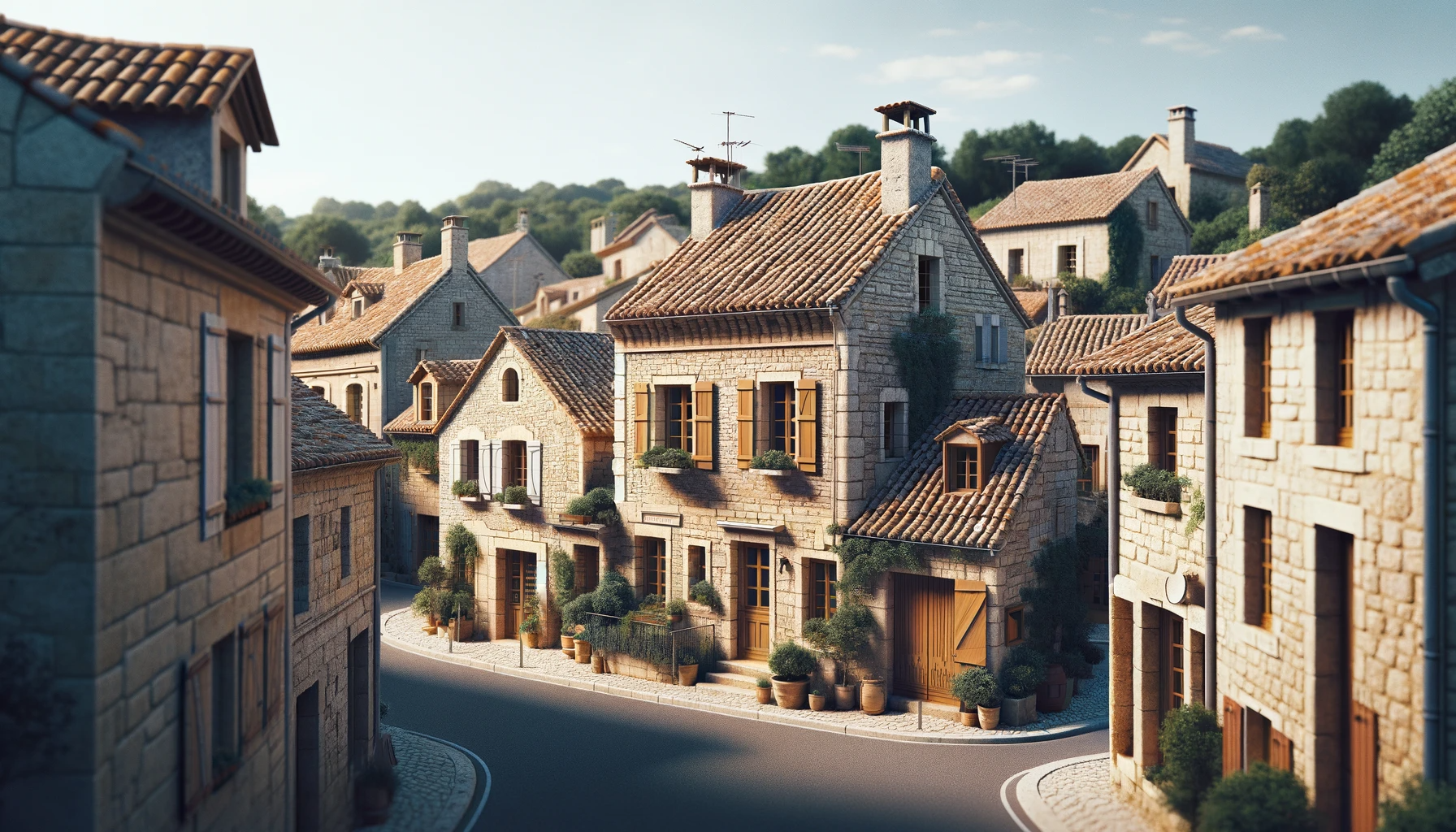
There is no better way to discover French wine than by travelling through the vineyards themselves. A wine road trip lets you follow winding routes between rolling hills, meet passionate winemakers in their cellars, taste wines where they are made and enjoy regional dishes in village bistros. From Champagne to Provence, France offers dozens of wine routes, each with its own charm. With a little planning, your journey will be as memorable as the finest vintage.
Choosing a Route That Matches Your Time
The first decision is not which wine you prefer, but how many days you have. Some regions are perfect for a long weekend from the UK, others deserve a week or more.
A Long Weekend: Champagne
Barely three hours’ drive from Calais, Champagne is the obvious choice for a short escape. Between Reims and Épernay, the great Champagne houses welcome visitors into kilometres of chalk cellars dug beneath the towns, while small grower-producers in the villages of the Montagne de Reims and the Côte des Blancs offer a more personal welcome, often at a fraction of the price.
Four or Five Days: Alsace or the Loire
The Alsace Wine Route runs for around 170 kilometres along the foothills of the Vosges, from one flower-decked village to the next. Distances are short, and Riquewihr, Eguisheim and Kaysersberg can all be visited in a single day. The Loire Valley, for its part, combines Sancerre, Vouvray and Chinon with Renaissance châteaux, ideal for travellers who want variety.
A Week or More: Burgundy, Bordeaux or the Rhône
The great classic regions reward a longer stay: distances between appellations are greater, and the most sought-after estates need to be booked well ahead. Each has its own personality, and deciding between Bordeaux, Burgundy or the Rhône Valley is the first step before drawing up your itinerary, since the style of visit changes as much as the wine itself.
Building a Realistic Itinerary
The most common mistake on a first wine trip is trying to do too much. A tasting is not a quick stop: between the visit of the vineyard, the cellar and the tasting itself, allow at least an hour, and often an hour and a half with a talkative winemaker.
In practice, two visits a day is ideal, three at the very most: one in the late morning, one or two in the afternoon, with a long lunch in between. More than that, and the wines start to blur into one another, even if you use the spittoon. Leave some time for the rest: a walk through a village, a visit to a Romanesque church, a nap under a tree or a swim in a river.
Rather than changing hotels every night, choose one or two bases and explore from there. In Burgundy, Beaune is perfectly placed for the Côte de Beaune and the Côte de Nuits; in Alsace, Colmar is at the heart of the wine route; in Bordeaux, you can stay in the city and explore the Médoc one day and Saint-Émilion the next. A three-night stay in each of two bases is often the most comfortable rhythm for a week-long trip.
Finally, mix different types of estates. A visit to a famous house shows winemaking on a large scale, with impressive cellars and polished presentations. A small family estate offers a more personal encounter and, often, the best discoveries of the trip.
Booking Tastings Like a Pro
Wine tourism has grown rapidly in France, but it still works very differently from the UK or the New World. Many estates, even well-known ones, do not have a tasting room open all day, and turning up unannounced can mean a closed gate.
A few simple habits will open more doors:
- Book by email or through the estate’s website one to three weeks ahead, stating the number of people, the language you speak and the date you have in mind
- Confirm the day before, especially with small estates, where the person welcoming you is often the winemaker, who may be in the vineyard
- Check opening days: many estates close on Sundays, and some close to visitors during the harvest in September and October
- Ask about prices: some tastings are free, others charged, sometimes refunded if you buy a few bottles
- Buy a little, even if you do not buy a lot: in small estates, one or two bottles is a polite way of thanking a winemaker for an hour of their time
Local tourist offices and wine interprofessions publish lists of estates open to visitors, a helpful starting point for planning.
Tasting Without Driving
This is the question every wine traveller must face, and French law leaves little room for improvisation. The legal limit is 0.5 grams of alcohol per litre of blood, which can be reached with two or three glasses, and just 0.2 grams for drivers with less than three years of experience. In wine regions, gendarmes carry out frequent checks, particularly in summer and around village festivals.
The first solution is the one professionals use: the spittoon. Tasting and spitting is perfectly normal in any cellar, and no winemaker will be offended; on the contrary, it shows that you are taking the wine seriously. The second is to take turns: one designated driver per day, who tastes and spits while the others enjoy.
The most comfortable solution, however, is to let someone else drive. Leaving the wheel to a private chauffeur for your wine tour means that everyone in the car can taste freely, while a local driver knows the small roads between the estates, the cellars that welcome visitors and, very often, the best place for lunch.
Where Wine Meets the Table
In France, wine is never really separate from food, and every wine region has a cuisine designed to accompany its bottles. Planning your meals is therefore part of planning your route.
In Burgundy, boeuf bourguignon, jambon persillé and the pungent Époisses cheese go perfectly with the local Pinot Noir. In Alsace, a choucroute or a tarte flambée in a traditional winstub calls for a glass of Riesling or Pinot Gris. In Bordeaux, lamb from Pauillac and the small caramelised cannelés are local specialities, while the Loire pairs its goat’s cheeses with a chilled Sancerre.
Village restaurants fill up quickly at lunchtime, especially at weekends, so book your table in the morning or the day before. Many winemakers are happy to recommend their favourite local bistro, and their advice is usually excellent. For travellers who plan their trips around the plate as much as the glass, the best French regions for food lovers often turn out to be wine regions too.
Bringing Your Bottles Back to the UK
One of the joys of a wine road trip is coming home with a boot full of discoveries. Since Brexit, however, allowances for travellers returning to Great Britain have changed.
Each adult can bring back up to 18 litres of still wine duty-free, the equivalent of 24 standard bottles, as well as 42 litres of beer. On top of that, you can bring either 4 litres of spirits or 9 litres of sparkling or fortified wine, or a combination of the two. Above these limits, duty must be declared and paid. These rules can change, so check the latest version on the UK government website before you leave.
For transport, keep bottles out of direct sunlight and away from the heat of a parked car in summer. Cardboard wine boxes are sold in most estates and supermarkets, and many winemakers can ship directly to the UK for larger orders. Just remember that shipped wine is subject to duty and VAT on arrival, so compare the total cost with what you can carry yourself.
A wine road trip in France is much more than a series of tastings: it is a journey into landscapes, traditions and the people who shape each bottle. By choosing the right region, planning a relaxed itinerary and travelling safely, you will enjoy every glass and every kilometre.
So choose your route, book your first visit and set off to discover the vineyards of France. Santé et bonne route !