For wine lovers, France is the ultimate destination, and three regions stand out as the most celebrated of all: Bordeaux, Burgundy and the Rhône Valley. Each one has its own grapes, its own landscapes and its own way of welcoming visitors. Grand châteaux surrounded by manicured vineyards, small family cellars hidden in stone villages, or sun-drenched terraces overlooking a mighty river: choosing between them depends on your tastes, your travel style and the experiences you are looking for.
Bordeaux: The Grandeur of the Châteaux
Bordeaux is the region of the château, a word that here refers less to a castle than to a wine estate, often crowned by an elegant residence and surrounded by immaculate rows of vines. It is one of the largest fine wine regions in France, and its names are known in every wine shop in the world.
The Gironde estuary divides it into two worlds. On the Left Bank, the Médoc and the Graves produce structured, long-lived red wines dominated by Cabernet Sauvignon, from famous villages such as Margaux, Pauillac and Saint-Julien. On the Right Bank, Saint-Émilion and Pomerol are the kingdom of Merlot, giving rounder, more velvety wines. South of the city, Sauternes produces some of the most famous sweet white wines on earth.
For visitors, Bordeaux is the most organised wine region in France. Many châteaux offer structured tours, from the vineyard to the barrel cellar, often in English, followed by a guided tasting. The most prestigious estates open their doors only by appointment, sometimes weeks in advance, while others welcome visitors with shops, restaurants and even accommodation. Add a city that has become one of the most elegant in France, a direct airport and the Cité du Vin museum, and Bordeaux is the easiest place to begin a wine journey.
Burgundy: Where Every Plot Has a Name
If Bordeaux is about grand estates, Burgundy is about the land itself. Here, the same two grapes are grown almost everywhere, Pinot Noir for reds and Chardonnay for whites, yet the wines change from one hillside, and sometimes from one wall, to the next.
This obsession with place has a name: the « climats », more than a thousand precisely defined plots along the Côte de Nuits and the Côte de Beaune, many of them mapped by Cistercian monks in the Middle Ages. Their exceptional value was recognised by UNESCO, which listed them as a World Heritage Site in 2015. Driving along the Route des Grands Crus from Dijon towards Beaune, you pass through villages whose names read like a wine list: Gevrey-Chambertin, Vougeot, Nuits-Saint-Georges, Pommard, Meursault.
The experience is more intimate than in Bordeaux. Most estates are family businesses, and it is often the winemaker who welcomes you into a vaulted cellar under the house, draws wine from the barrels and explains the differences between two neighbouring plots. Appointments are strongly recommended, and a few words of French are always appreciated. Beaune, with the glazed tile roofs of its Hospices and its famous charity wine auction every November, makes the perfect base.
The Rhône Valley: Two Regions in One
Following the river from Vienne, south of Lyon, down to Avignon, the Rhône Valley is really two very different wine regions, separated by a stretch of countryside with almost no vines at all.
The Northern Rhône
In the north, the vineyards cling to steep granite slopes above the river, some of them so steep that they must be worked by hand. Syrah is the only red grape here, producing intense, peppery wines such as Côte-Rôtie, Hermitage and Cornas, while the rare white Condrieu, made from Viognier, is one of the most aromatic wines in France. The landscape, with its terraces and small villages on the riverbank, is spectacular.
The Southern Rhône
In the south, the valley widens, the light becomes Provençal and the vineyards spread across plains covered with large round pebbles that store the heat of the sun. Grenache leads generous blends here, with Châteauneuf-du-Pape, Gigondas and Vacqueyras as the best-known names. The welcome is relaxed, tastings without appointment are common, and prices are often lower than in Bordeaux or Burgundy for wines of comparable quality.
The Three Regions Side by Side
To help you compare, here are the main differences between the three regions at a glance:
| Bordeaux | Burgundy | Rhône Valley | |
|---|---|---|---|
| Main grapes | Cabernet Sauvignon, Merlot | Pinot Noir, Chardonnay | Syrah, Grenache |
| Style of visit | Structured tours of grand estates | Intimate cellars with the winemaker | Relaxed tastings, often without appointment |
| Best base | Bordeaux or Saint-Émilion | Beaune or Dijon | Tain-l’Hermitage or Avignon |
| Easiest access from the UK | Direct flights to Bordeaux | Train via Paris or Lyon | Flights to Lyon or Marseille |
| Budget | From accessible to very expensive | Often expensive for top wines | Generally the best value |
The best period to visit is the same everywhere: spring and early autumn, when the weather is pleasant and the vineyards are at their most photogenic. During the harvest, from September to early October, the atmosphere is magical, but winemakers are busy and some small estates close their doors to visitors. Winter is quieter still, and while the vines are bare, it is the season when winemakers have the most time to talk, which many enthusiasts consider the best reason of all to visit.
Which One Is Right for You?
The truth is that there is no best region, only the region that suits your personality and your trip.
Choose Bordeaux if you are new to wine tourism or travelling with people who are not wine enthusiasts. The combination of a lively city, a wide choice of visits in English and short distances between estates makes it easy to organise, and even easier to enjoy. It is also ideal for a first introduction to French wines and their regions, since so many styles are gathered in one place.
Choose Burgundy if you want to understand wine in depth and meet the people who make it. Its small scale, its history and its passionate winemakers make it a region for the curious, and meeting some of France’s finest winegrowers in their own cellars is an experience that no tasting room can replace.
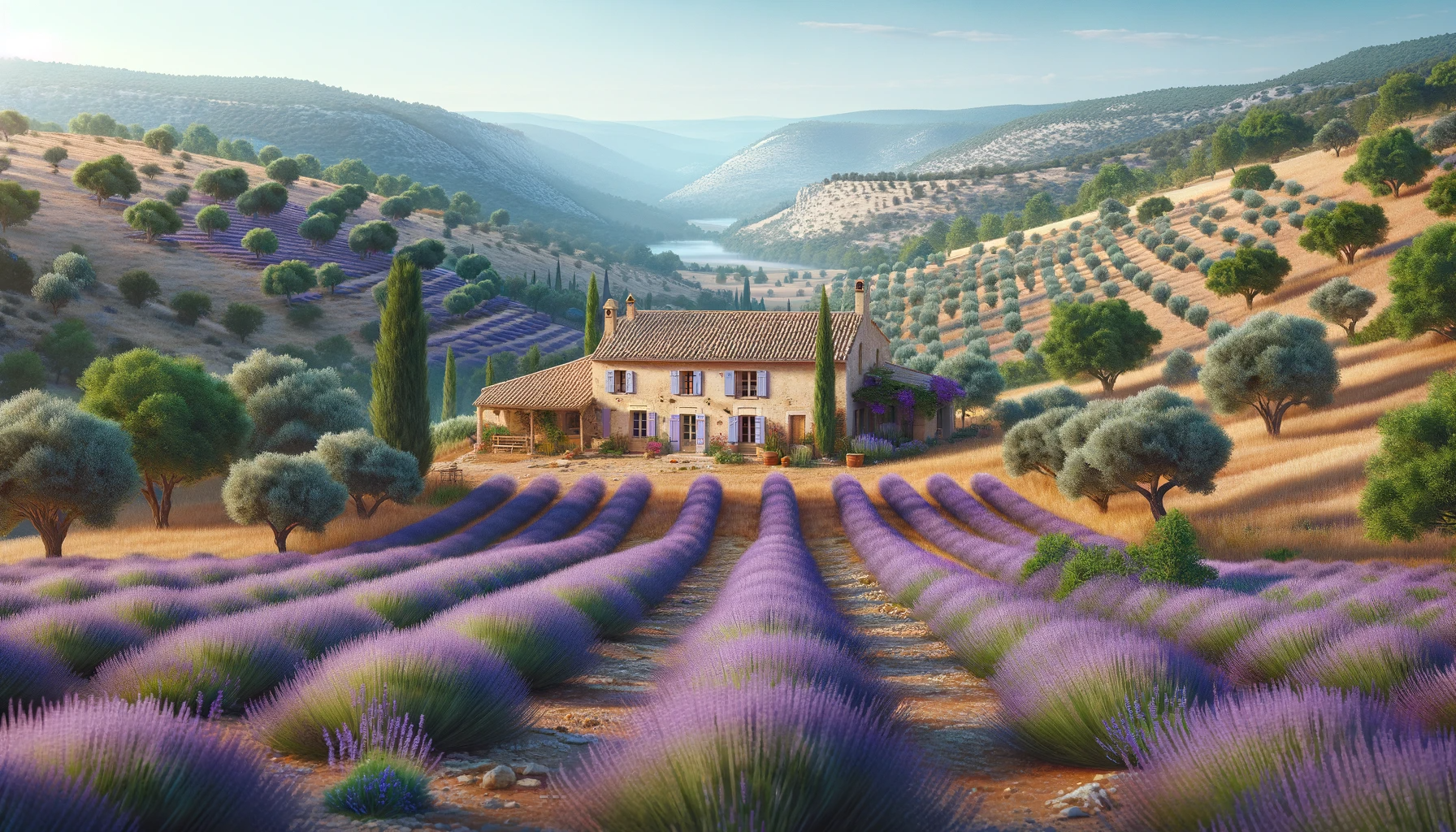
Choose the Rhône Valley if you want sunshine, generous wines and a relaxed atmosphere. Its southern part combines naturally with a holiday in Provence, between markets, Roman monuments and lavender fields, and your budget will stretch further.
Whichever you choose, remember that the French drink-driving limit is low. Using the spittoon, taking turns at the wheel or leaving the driving to a professional will let everyone enjoy the visits with peace of mind.
Bordeaux for its grandeur, Burgundy for its terroirs, the Rhône Valley for its sunshine: there is no wrong choice, only different ways of discovering the soul of French wine. And if you cannot decide, why not plan several trips and compare them glass in hand?
Whichever region you choose, take your time, listen to the winemakers’ stories and let each glass tell you about the land it comes from. Santé !