In France, food is far more than a meal: it is a way of life, a heritage and a source of immense regional pride. Each region has its own cheeses, its own recipes, its own markets and its own traditions around the table. Travelling through France with your taste buds as your guide is one of the most delicious ways to discover the country, from creamy Normandy butter to Provençal olive oil and the rich flavours of the southwest.
Lyon: Where Every Meal Is an Event
Lyon’s reputation as the capital of French gastronomy is not an empty boast. The city sits at a crossroads of exceptional produce: Bresse chickens to the north, Charolais beef to the west, fish from the Alpine lakes and wines from Beaujolais and the Rhône Valley on its doorstep.
Its most authentic expression is the bouchon, a small, noisy, convivial bistro with checked tablecloths, where the cooking has barely changed in a century. On the menu, you will find quenelles de brochet, light pike dumplings in a creamy crayfish sauce, saucisson brioché, andouillette for the brave, and cervelle de canut, a fresh cheese whipped with herbs, shallots and a dash of vinegar, whose name means « silk weaver’s brain ». A pink praline tart usually ends the meal. Look for the official « Bouchon Lyonnais » sticker on the door, which guarantees an authentic address.
For a daytime feast, head to Les Halles Paul Bocuse, the covered market named after the city’s most famous chef. Here, locals sit at the counters mid-morning to share a dozen oysters and a glass of white wine, before buying cheeses, charcuterie and pastries for the weekend. It is the best way to understand how seriously the Lyonnais take their food.
Normandy and Brittany: Butter, Apples and the Sea
The two great regions of northwestern France share a green landscape, a mild climate and a cuisine built on dairy and seafood, yet each has a distinct identity.
Normandy
Normandy is the land of cream and butter, produced by cows grazing on some of the richest pastures in Europe. Its four great cheeses, Camembert, Pont-l’Évêque, Livarot and heart-shaped Neufchâtel, can be tasted directly at the farms that make them. The apple is the other pillar of Normandy cuisine: cider, pommeau and Calvados, the famous apple brandy, are produced along the Route du Cidre in the Pays d’Auge, where half-timbered farms open their cellars to visitors. On the coast, the scallops of Port-en-Bessin and the oysters of Saint-Vaast complete the picture.
Brittany
Brittany’s cuisine is simpler and deeply connected to the sea. Buckwheat galettes, served with ham, cheese and egg, and sweet crêpes are eaten with a bowl of dry cider in every town. In Cancale, oyster stalls on the harbour serve shellfish straight from the bay facing Mont-Saint-Michel. And Brittany is the home of salted butter, which gives its character to the famous salted caramel and to the kouign-amann, a rich, caramelised pastry from Douarnenez.
The Périgord: A Feast for the Cold Months
Some regions are best discovered in summer; the Périgord is at its most generous in winter. In the Dordogne and the neighbouring Lot, the cuisine is rich, rustic and closely tied to the seasons, and the cold months bring its most prized treasure: the black truffle.
From December to February, truffle markets are held in Sarlat, Sainte-Alvère and Lalbenque, where the precious « black diamonds » are weighed and sold according to rituals that have hardly changed in generations. Even if you do not buy, the scent that fills the market halls is an experience in itself, and local restaurants serve truffle omelettes and truffle-infused dishes throughout the season.
Duck is the other star of the Périgord. Foie gras, confit de canard and magret appear on every menu, often accompanied by pommes sarladaises, potatoes sautéed in duck fat with garlic and parsley. In autumn, walnuts are harvested and pressed into oil, and the region’s walnut cake is the perfect end to a meal.
Many farms welcome visitors to see how foie gras or walnut oil are made, and to taste their products on the spot. It is an excellent way to meet producers and to understand the importance of tradition in this corner of France.
Southern Flavours: Provence and the Basque Country
The south of France offers two very different takes on Mediterranean and Atlantic flavours, one bathed in olive oil, the other spiced with red pepper.
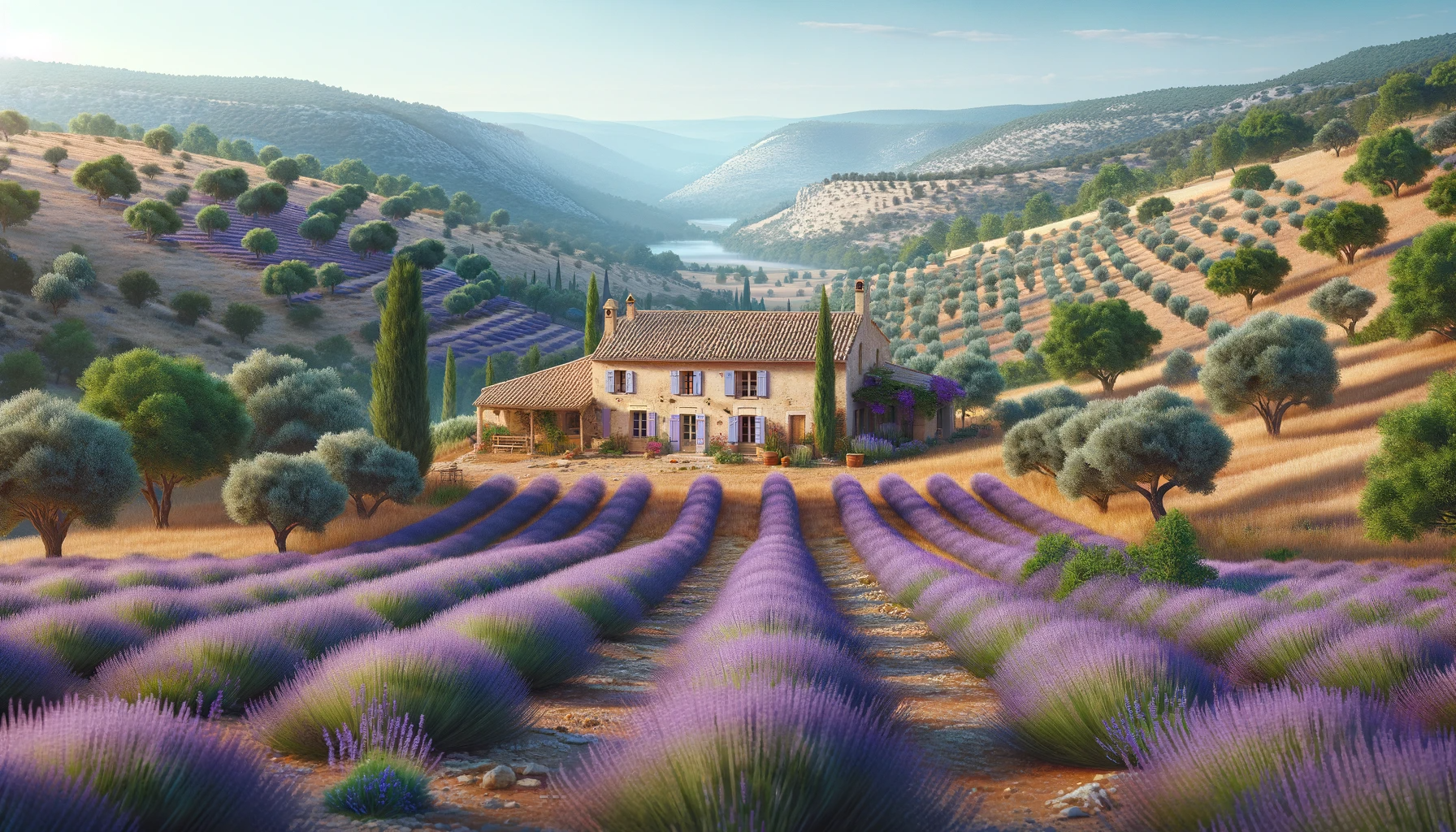
Provençal cuisine is a celebration of sunshine. It relies on olive oil, garlic, tomatoes, courgettes, aubergines and herbs, turned into ratatouille, pistou soup, tapenade or stuffed vegetables. On the coast, Marseille’s bouillabaisse, served in two courses with rouille and croutons, remains one of the great dishes of French cuisine, while Nice has its own street food, from socca to pan bagnat. The markets of Aix-en-Provence, L’Isle-sur-la-Sorgue and Apt are among the most colourful in France, and wandering through them is one of the pleasures of a stay among the best places to visit in Provence.
In the Basque Country, the flavours are bolder. Espelette pepper, dried in red garlands on house façades every autumn, gives a gentle heat to axoa, a veal stew, and to piperade. Bayonne ham, Ossau-Iraty sheep’s cheese served with black cherry jam and the gâteau basque, filled with cream or cherries, make it a destination in its own right for food lovers.
Alsace and Burgundy: Hearty Food and Great Wine
In these two eastern regions, cuisine and wine are inseparable, and meals are an invitation to take your time.
Alsace offers a unique blend of French refinement and Germanic generosity. In the cosy winstubs, traditional wine taverns with wood-panelled walls, you will be served choucroute garnie, baeckeoffe, a slow-baked stew of three meats and potatoes, or tarte flambée, a thin crust topped with cream, onions and bacon. For dessert, the kouglof, a brioche-like cake baked in a fluted mould, is a local institution, and every glass of Riesling or Gewurztraminer is a reminder that you are on one of the most beautiful wine routes in Europe.
Burgundy gave the world some of the most famous dishes in French cooking: boeuf bourguignon, coq au vin, jambon persillé and escargots with garlic and parsley butter. Dijon adds its mustard, its gingerbread and its crème de cassis, the blackcurrant liqueur used in the kir aperitif. Here, meals are designed around wine, and travellers who fall for the region often find themselves weighing up Bordeaux, Burgundy or the Rhône Valley for their next trip.
Eating Like a Local, Wherever You Are
Whichever region you choose, a few habits will help you find the best food and avoid the tourist traps.
- Follow the market calendar: every town has its market day, and the morning is when the produce is freshest and the atmosphere liveliest
- Choose the lunch menu: the « menu du jour » or « formule » offers two or three courses at a very reasonable price, often the best way to taste real local cooking
- Look for labels: AOP guarantees that a product comes from a specific area and follows traditional methods, while the « Maître Restaurateur » title rewards restaurants that cook fresh produce on site
- Ask the locals: the baker, the winemaker or the owner of your guesthouse will always have a favourite address
- Book ahead: good village restaurants are often small and fill up quickly at weekends
Finally, do not be afraid of the unfamiliar. Some of the most memorable meals in France are dishes you would never order at home.
From the bouchons of Lyon to the markets of Provence and the cheese farms of Normandy, France is a paradise for food lovers. Each region tells its story through its flavours, and every meal becomes a way to understand the land and the people who shape it.
So follow your appetite, take your time at the table and let each region surprise you. Bon appétit !