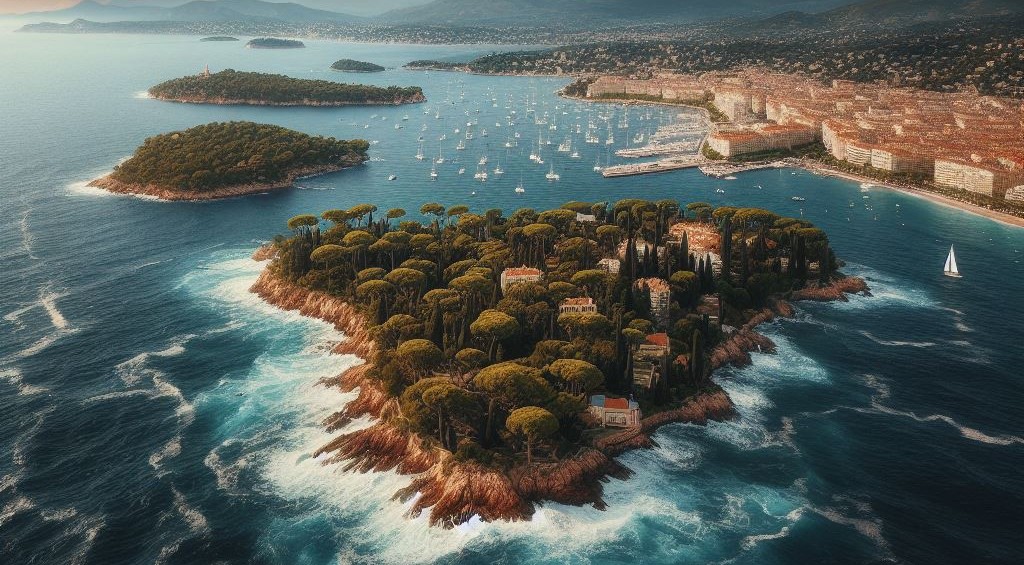
Owning a second home in France is a dream shared by many British families. A stone farmhouse among the vineyards, a seaside cottage in Brittany, an apartment with a view of the Mediterranean or a chalet in the Alps: the possibilities are endless. Yet the choice of region is the most important decision of all, as it will shape your lifestyle, your budget and how often you can enjoy your French retreat.
The Dordogne: Tried, Tested and Still Charming
For more than half a century, the Dordogne has been the favourite region of British buyers, to the point that locals sometimes jokingly call it « Dordogneshire ». Its appeal has not faded, and there are good reasons for it.
The landscape is the first. Golden limestone villages perched above winding rivers, medieval castles on every hilltop, walnut groves and oak forests create a setting that seems unchanged for centuries. Sarlat-la-Canéda, with its Saturday market, Bergerac and Périgueux provide shops, restaurants and hospitals within reasonable distance.
The second is the value for money. Old stone houses, often with a barn, a few hectares of land and room for a pool, remain affordable compared with the coast or Provence, although the most sought-after villages have become more expensive. Many properties need renovation, which can be a rewarding project, provided you budget carefully and find reliable local craftsmen.
Finally, the established British community makes settling in easier: English-speaking estate agents, builders and property managers are easy to find, and clubs and associations welcome newcomers. The drawbacks are the hot summers, the quiet winters and the distance from the UK, though Bergerac and Brive airports offer seasonal flights, and Bordeaux airport is less than two hours away.
Normandy and Brittany: The Weekend Home
If you dream of spending long weekends in France rather than a few weeks a year, proximity becomes the deciding factor, and no regions are closer to the UK than Normandy and Brittany.
Ferries from Portsmouth, Poole and Plymouth arrive directly in Caen, Cherbourg, Le Havre, Saint-Malo and Roscoff, often with overnight sailings. You can leave work on a Friday evening, sleep on board and wake up a short drive from your French home. Normandy is also only two hours from Paris by train, which makes it easy to combine countryside and city.
The two regions offer a wide variety of properties, from half-timbered cottages in the Pays d’Auge to granite fishermen’s houses on the Breton coast and elegant villas in seaside resorts such as Dinard or Honfleur. Prices are generally lower than in the south, especially inland, where a charming house with a garden can cost less than a flat in many British cities.
The climate is mild and familiar, with green summers and rain in every season. For some buyers, that is a disadvantage; for others, it is exactly what makes these regions feel like a second home rather than a foreign land. And those who fall for a place during a holiday, as so many do, will find that finding a pied-à-terre in France is often easier here than in more fashionable regions.
Provence and the Riviera: The Price of Sunshine
For many buyers, the south of France remains the ultimate dream, and it is easy to understand why. More than 300 days of sunshine a year in some areas, lavender fields, hilltop villages, lively markets and the Mediterranean within reach create a quality of life that few places in Europe can match.
The market, however, reflects this appeal. On the coast between Cannes, Antibes, Nice and Monaco, prices are among the highest in France, and even a modest apartment with a sea view represents a significant investment. The famous villages of the Luberon, such as Gordes or Ménerbes, are just as sought-after. Buyers looking for more space often turn to the inland Var, the Alpilles or the villages north of Grasse, where a stone house with a garden and pool is still within reach of a more moderate budget.
Access is a strong point: Nice and Marseille airports offer frequent flights to London and many regional UK airports all year round, making weekend visits realistic. The rental market is also buoyant in summer, which can help cover running costs.
Before committing, spend time exploring the region beyond the postcard sights. The differences between a village in the Var, a town in the Luberon and a seaside resort are enormous, and discovering the best places to visit in Provence with fresh eyes is the best way to find the corner that suits you.
Three Alternatives Worth Considering
Beyond the classic destinations, three regions attract a growing number of British buyers looking for a different balance between price, climate and lifestyle.
Occitanie and the Languedoc
Between the Pyrenees and the Camargue, Occitanie offers the Mediterranean lifestyle at more accessible prices than Provence. Around Montpellier, Béziers, Carcassonne and Perpignan, wine villages, sandy beaches and a warm climate come together, with the Canal du Midi adding a touch of romance.
The Charente
Between Bordeaux and the Loire, the Charente is one of the most affordable regions for a stone house with a garden. Cognac vineyards, sunflower fields and Romanesque churches create a gentle, peaceful setting, with the Atlantic beaches of Royan and the Île de Ré within reach.
The French Alps
For lovers of skiing and mountain life, a chalet or apartment in resorts such as Morzine, Chamonix or around Lake Annecy offers enjoyment in every season. Winter rental demand is strong, but prices are high and local rules on short-term rentals are becoming stricter.
The Questions to Answer Before You Choose
Before falling in love with a property, take the time to answer a few essential questions. They will help you narrow down the right region and avoid costly mistakes.
- How often will you visit? For frequent short stays, favour a region with easy access by ferry, Eurostar or direct flights. British citizens can spend up to 90 days in any 180-day period in the Schengen area without a visa; longer stays require a long-stay visa
- Will you rent it out? Coastal areas, ski resorts and tourist hotspots offer the best rental potential, but short-term rentals are increasingly regulated in some towns
- What will it cost to run? Beyond notary fees, budget for the taxe foncière and the taxe d’habitation, which still applies to second homes and can be increased in some high-demand areas, as well as insurance, maintenance and utilities
- Have you visited out of season? A lively seaside village in August can be almost deserted in November, with most shops and restaurants closed
Answering these questions honestly often changes the shortlist. Many buyers who dreamed of the Riviera end up in the Charente or Normandy, and are delighted with their choice. Once the region is chosen, working through the 12 criteria for buying a second home in France will help you assess each property with a clear head.
Choosing the right region for your second home in France is about finding the balance between the lifestyle you dream of, practical access from the UK and a realistic budget. Whether you are drawn to the Dordogne’s golden stone, Brittany’s wild coast or the Provençal sunshine, France has a region that will feel like home.
Take your time, visit in every season and seek advice from a local notary and a tax specialist before you commit. Your French adventure is only just beginning.