France is a destination for every season. In spring, orchards blossom and gardens awaken; in summer, lavender colours the hills of Provence and beaches come alive; autumn brings the grape harvest and golden vineyards; and winter offers snowy peaks and glittering Christmas markets. The best time to visit France ultimately depends on what you want to see, taste and experience, and on how much you enjoy, or avoid, the crowds.
Spring: The Insider’s Favourite
Ask people who know France well when they like to travel, and many will answer: May. Between April and early June, the country offers long days, mild temperatures and landscapes at their freshest, while the great summer crowds have not yet arrived.
Paris is at its most romantic in spring, when the chestnut trees blossom along the boulevards and café terraces fill up at the first ray of sunshine. In the Loire Valley, the gardens of Villandry and Chenonceau reach their peak in May, and the flat cycle paths along the river are ideal before the heat of summer. In the south, Provence is green and scented with wild herbs, and the markets begin to fill with asparagus, strawberries and early cherries.
There is one catch, and it is specific to France. May is punctuated by public holidays, including 1 May, 8 May, Ascension Thursday and Whit Monday. The French make the most of them by taking long weekends, known as « ponts », when roads, trains and seaside resorts can suddenly become as busy as in August. Check the calendar before you book, and aim for the weeks in between.
Summer: Festivals, Lavender and the August Question
Summer is France at its most festive. Long, warm evenings, open-air concerts and village fêtes make it a joyful season, but it requires more planning than any other.
The Highlights of June and July
The Fête de la Musique on 21 June fills every town with free concerts, from brass bands to DJ sets. Bastille Day on 14 July brings parades and fireworks, even in the smallest villages, while the Festival d’Avignon transforms the city into a vast open-air stage throughout July. Nature puts on its own show too: the lavender of the Valensole Plateau and around Sénanque Abbey blooms from late June to mid-July, one of the most photographed sights among the best places to visit in Provence.
The August Question
August is when the whole of France goes on holiday. Beaches, campsites and mountain resorts are full, prices peak, and paradoxically, some restaurants and shops in Paris close for several weeks. If you can only travel then, book early, choose inland destinations over the coast and avoid driving on Saturdays.
Autumn: The Wine Lover’s Season
If spring is the connoisseur’s choice for sightseeing, autumn is the favourite season of food and wine lovers. From September to early November, France slows down after the summer rush and turns its attention to the harvest.
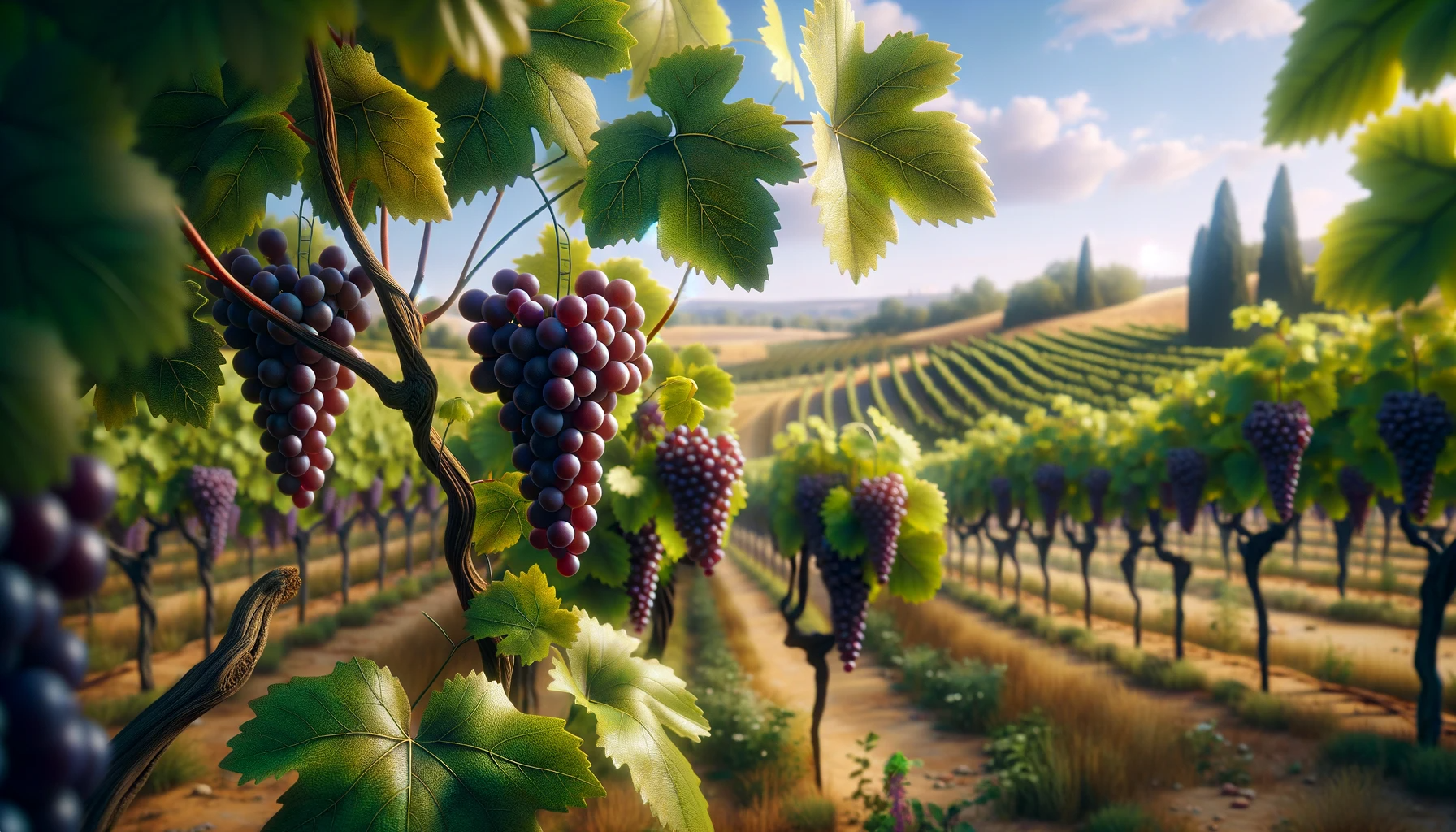
In September and October, the vineyards of Burgundy, Bordeaux, Champagne and the Rhône Valley buzz with the activity of the « vendanges ». The leaves turn gold and red, many estates organise harvest events, and the atmosphere in wine villages is festive. It is the ideal time for a wine road trip in France, as long as you book your visits in advance, since winemakers are at their busiest.
September is also, quietly, one of the best months for the beach. The Mediterranean is at its warmest after a whole summer of sunshine, the crowds have gone home with the start of the school year, and hotel prices fall. On the Côte d’Azur or in Corsica, a late September week can feel like a private summer.
Later in the season, the forests of the Dordogne and the southwest fill with mushroom pickers, markets sell chestnuts, walnuts and game, and the first truffles appear. Days are shorter, but the light is soft and golden, perfect for photography.
Winter: Markets, Mountains and Empty Museums
Winter is the most underrated season for a trip to France, and it offers experiences that no other time of year can match.
December belongs to Alsace. Strasbourg, Colmar, Kaysersberg and Riquewihr host some of the most beautiful Christmas markets in Europe, with half-timbered houses lit up like gingerbread houses and the scent of mulled wine drifting through the streets. The markets usually open at the end of November and run until Christmas Eve or just after.
From late December to April, the French Alps come into their own. They are home to some of the largest ski areas in the world, such as Les Trois Vallées and Paradiski, while the Pyrenees offer smaller, more affordable and often more authentic resorts. Remember that French school holidays in February fill the slopes, and that prices follow.
On the Riviera, winter is mild and luminous. Nice holds its famous Carnival in February, and Menton celebrates its Lemon Festival with giant sculptures made of citrus fruit. Meanwhile, in Paris and the other big cities, winter means shorter queues at the Louvre and the Musée d’Orsay, lower hotel prices and cosy evenings in bistros.
Choosing the Right Month for Your Trip
Each type of holiday has its ideal window. This summary will help you match your plans to the calendar:
| Type of trip | Best months | Why |
|---|---|---|
| City break | April to June, September to October | Mild weather, fewer queues |
| Beach holiday | June, September | Warm sea without the August crowds |
| Wine tourism | September to October | Harvest season and golden vineyards |
| Hiking and nature | May to June, September | Open paths, comfortable temperatures |
| Christmas markets | Late November to December | Alsace at its most magical |
| Skiing | January, March | Good snow outside French school holidays |
Whatever you choose, keep an eye on the French school holiday calendar, which is published well in advance and divides the country into three zones with staggered winter and spring breaks. Travelling when French families are at school is the simplest way to enjoy the same places with more space and lower prices. Last but not least, stay flexible with the weather: a rainy week in Brittany in July is just as possible as a heatwave in Paris in June, so pack a light jumper whatever the season.
Each season in France has its own magic, and there is no wrong time to visit. Spring charms with its blossoms, summer with its festivals, autumn with its harvests and winter with its lights. The key is to match your trip to your interests and to plan around the busiest periods.
Wherever your travels take you, and whatever the month, France will welcome you with open arms. Bon voyage !